

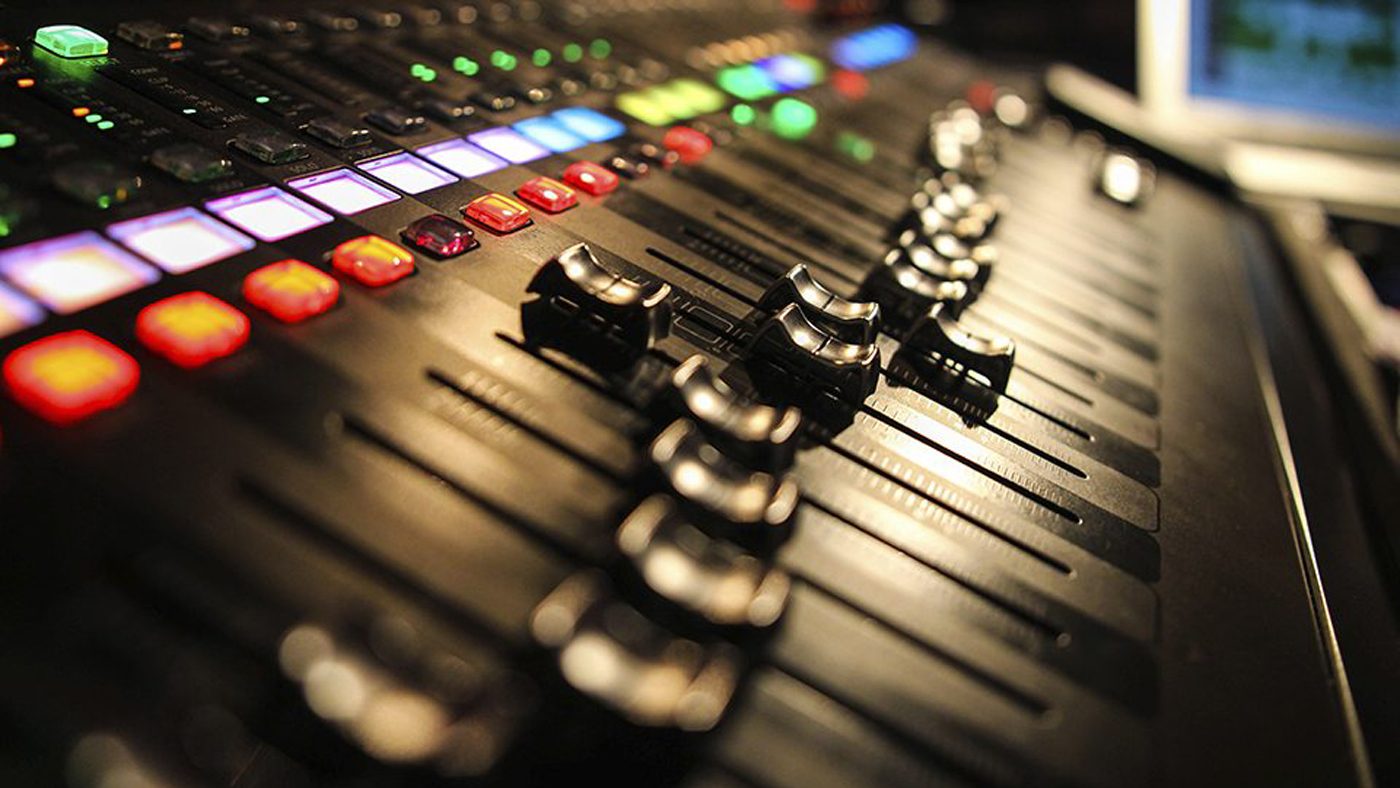
There are two distinct aspects of Sound Design in films. They are Diegetic and Non-Diegetic Sounds. Diegetic Sounds are those which emanate naturally from the sources that we can clearly see on the screen. For example, it could be the creaking of a door, sound from a TV in the background, or the sound of a vehicle or an animal in the surrounding. On the other hand, Non-diegetic Sounds are those which we hear in a film, even though we don’t necessarily see where they are coming from. Take for instance, the sound of a train chugging away, that is heard through a window, the chatter of a crowd etc. These sounds, though invisible on the screen as visuals, play a significant role in creating an imagination of the surroundings, within the minds of the audience. This can be understood better, with an example from our daily-life. Imagine yourself in a room. The sounds from anything that you can see around you, in the room, like the squeaking of the chair you are sitting on, the whirring of the fan above you, the sound of footsteps, are all Diegetic Sounds. Similarly, all the sounds that you could possibly hear from the outside, like the kids playing on the street, the sound of a vehicle passing by are Non-Diegetic Sounds. These Non-Diegetic sounds help in giving us a picture of the surroundings in which the room is set. Thus, a film has the power to take you to an imaginary world, by virtue of Sound Design. Isn’t it amazing that sound plays such an important role both in cinema and life!
ಅಭಯ ಸಿಂಹ
Translated by Amogh Patwardhan
![Blogging the Reel World – GRAN TORINO [2008]](https://chitrayana.com/wp-content/uploads/2023/02/Gran-Torino-e1676009947450.png)
![Blogging the Reel World – NO MAN’S LAND [2001]](https://chitrayana.com/wp-content/uploads/2023/01/NO-MANS-LAND-MYSTIC-RIVER-e1673936905514.png)
0 Comments